
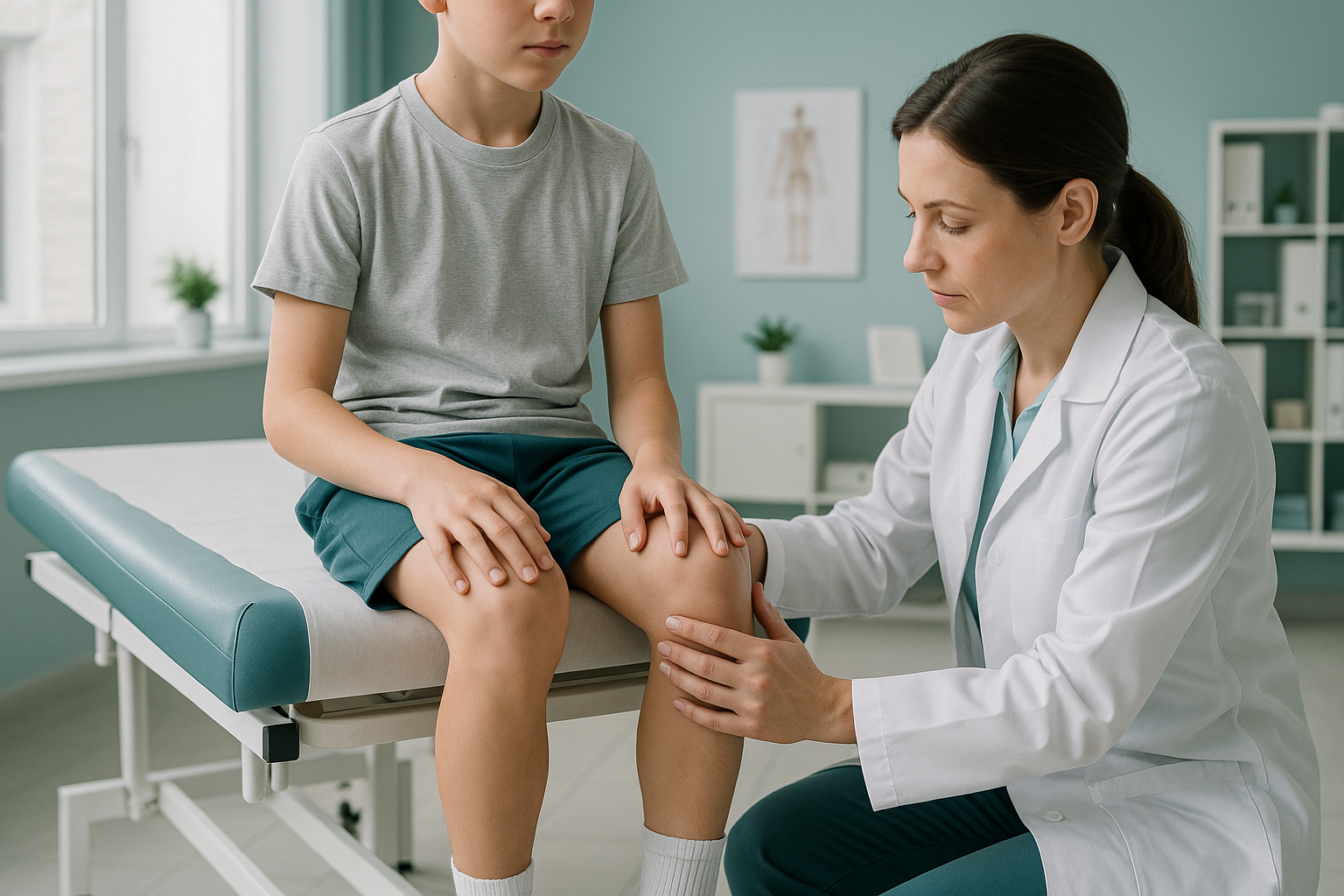
Why Does Specialising in One Sport Too Early Cause Injuries?
Early sport specialisation loads the same muscles, joints and growth plates over and over without giving other areas a chance to develop. This repetitive stress outpaces a young body's ability to recover, leading to overuse injuries that are often preventable. Playing multiple sports spreads the load more evenly and builds broader physical resilience.
Key takeaways
- Young athletes who specialise in a single sport before mid-adolescence have a higher risk of overuse injuries.
- Growth plates, tendons and bones are still maturing, making them vulnerable to repetitive loading.
- Multi-sport participation helps develop varied movement patterns and reduces repetitive strain.
- Rest days and appropriate training hours are protective factors at every age.
- Standing, weight-bearing imaging can reveal alignment and growth-plate stress that standard scans may miss.
What counts as early sport specialisation?
Early sport specialisation means a young athlete trains and competes in a single sport year-round, to the exclusion of other sports, before about age 12 to 14. It often involves structured, adult-led training for more hours each week than is appropriate for the child's age.
A widely used guideline suggests that weekly training hours should not exceed a child's age in years. A ten-year-old, for example, should train no more than roughly ten hours per week across all organised activity. Going beyond this, especially in one sport, increases the chance of problems.
Academy pathways and competitive pressure from parents, coaches or peers can push young athletes into intensive single-sport schedules long before their bodies are ready.
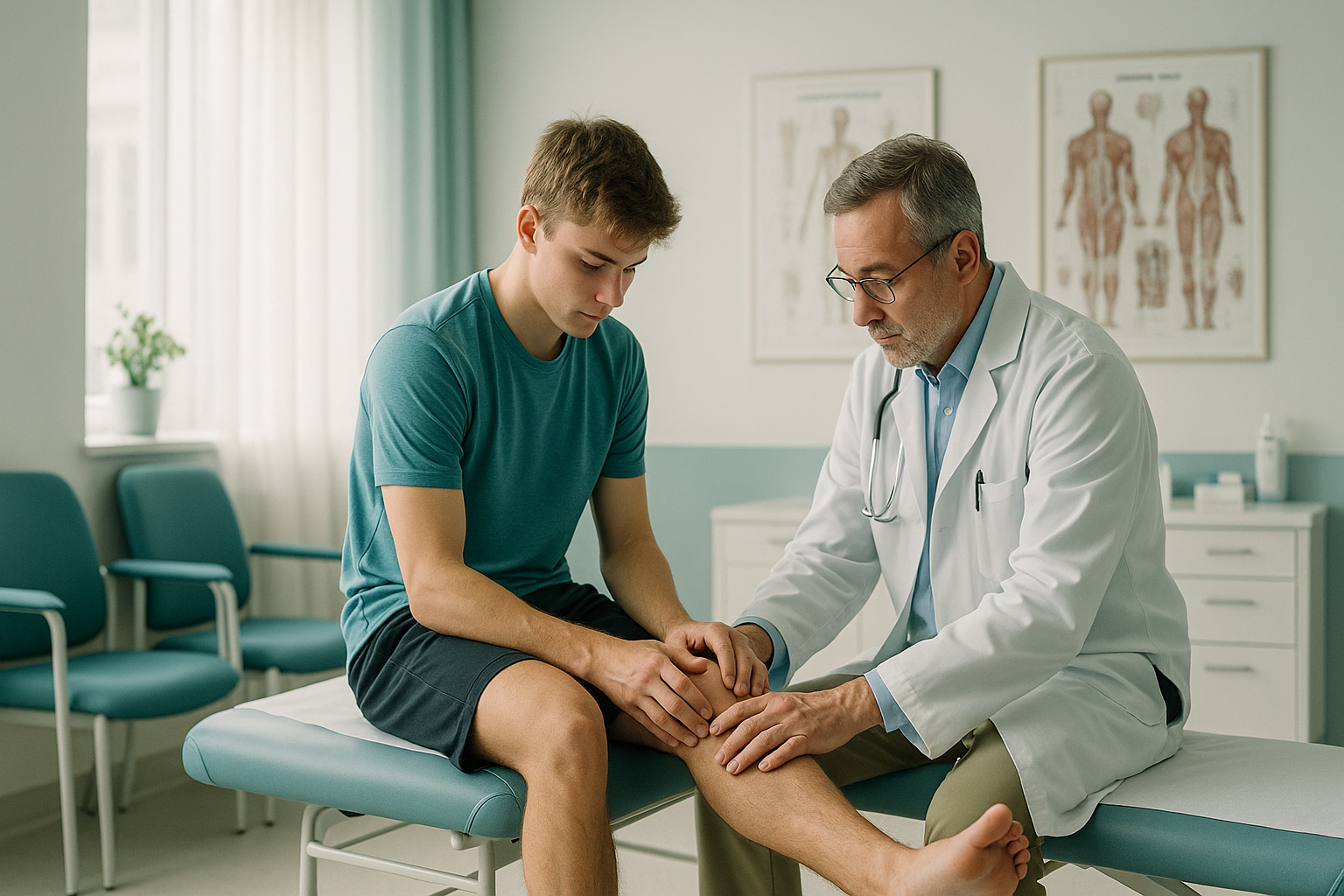
Why does early specialisation cause overuse injuries in young athletes?
Overuse injuries happen when the same tissues are loaded repeatedly without enough time to recover. In a growing body, this is especially dangerous because bones, growth plates, tendons and cartilage are still developing. They are softer and more vulnerable than in adults.
The same movement pattern, thousands of times a week, stresses identical tissues before they can repair.
Growth plates are weaker than mature bone. Repeated strain can irritate or injure them before they close.
Training only one set of muscles leaves opposing muscle groups weaker, creating uneven pull on joints.
Mental and physical exhaustion reduce coordination and reaction time, raising the risk of both overuse and acute injuries.
When a young athlete trains intensively in one sport, the body never gets the variety of movement it needs to develop evenly. Certain joints and muscles become overworked while others remain underdeveloped. This imbalance can alter alignment, change the way forces travel through the skeleton, and set up a chain of compensations that leads to pain somewhere unexpected.
Youth athlete burnout is a real concern too. It is not just about motivation. A fatigued body moves differently, loses its protective reflexes, and is far more prone to injury.
What are the warning signs of overuse injury in a young athlete?
Overuse injuries often build gradually. They can be easy to dismiss as "growing pains" or normal soreness, but persistent symptoms deserve attention.
Aching in the same spot after every session, especially around a joint, heel or knee.
Visible puffiness around a joint, or stiffness that takes longer to ease each morning.
Favouring one side, changing running style, or avoiding certain movements during play.
Reluctance to train, irritability, trouble sleeping, or declining performance despite more effort.
A note on urgent symptoms. If a young athlete experiences sudden severe pain, inability to bear weight, numbness, weakness, or any loss of bladder or bowel control, seek urgent medical attention through your GP, 111 or A&E rather than booking a scan.
How does playing multiple sports reduce injury risk?
Multi-sport participation spreads mechanical stress across different joints, muscle groups and movement patterns. Instead of the same tissues absorbing load every session, the body shares the work more broadly. This variety also builds coordination, balance and proprioception that transfer across all sports.
- Different muscle groups develop together
- Varied movements reduce repetitive strain
- Natural rest periods between sport seasons
- Lower rates of burnout and dropout
- Broader athletic skills that aid long-term performance
- Same joints and tendons loaded year-round
- Muscle imbalances from repetitive patterns
- No off-season recovery window
- Higher risk of burnout and mental fatigue
- Narrower movement vocabulary
Research consistently shows that many elite adult athletes played multiple sports through childhood and only specialised in their mid-teens or later. Keeping things varied in the early years does not hold a young athlete back. It builds a stronger, more resilient foundation for whatever sport they choose later.
Simple protective steps can make a real difference. Ensuring at least one or two rest days per week, taking a break of at least one month per year from any single sport, and following the hours-per-week guideline all help. For broader guidance on reducing risk, read our page on sports injury prevention.
How can standing imaging help with youth sport overuse injuries?
Standard scans are usually taken lying down. When a young athlete lies flat, gravity is removed, muscles relax, and subtle alignment problems can disappear from the image. The scan may look normal even though the body is under real stress when upright and active.
Standing, weight-bearing imaging captures the skeleton in its natural loaded position. It shows how joints, growth plates and the spine actually line up when gravity is doing its work. This can reveal asymmetries, pelvic tilts, leg-length differences and compensations that only appear under load.
At ScanAlign, low dose standing imaging, the EOS system captures the full body from head to feet in a single upright scan, using about 90% less radiation than a standard X-ray, around ten times less. For growing bodies, keeping radiation as low as possible matters. Learn more about paediatric imaging at ScanAlign.
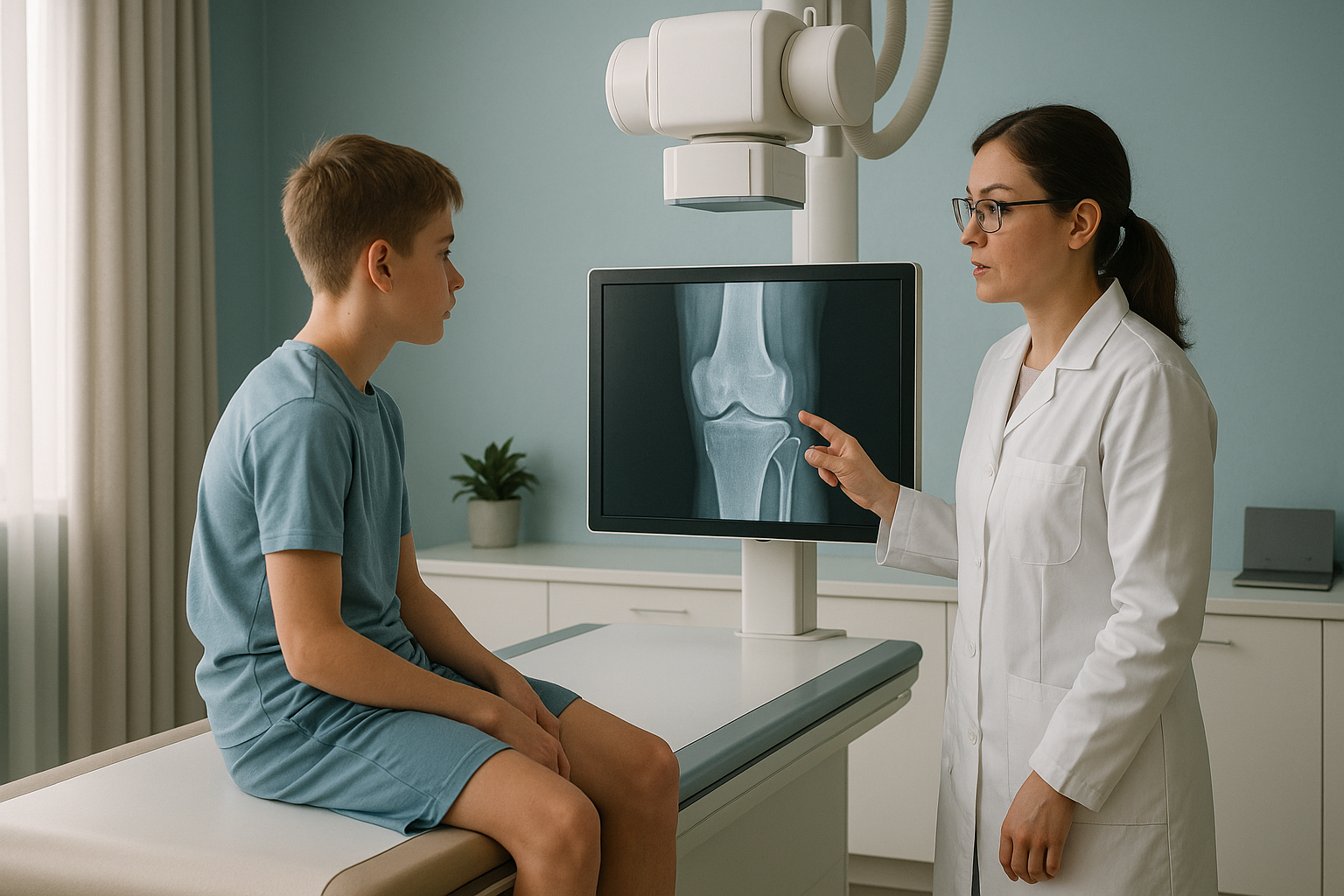
When is MRI the better choice? EOS shows bones, joints and alignment clearly. For soft tissue injuries such as ligament tears, cartilage damage, disc problems or nerve issues, MRI is usually the better tool. Your clinician can advise which is most appropriate.
Concerned about a young athlete's recurring pain or alignment? A short video call can help you decide whether imaging is the right next step.
Book a free video consultationFrequently asked questions
Most sports medicine bodies advise against single-sport specialisation before about age 14 to 16, depending on the sport. Before mid-adolescence, varied multi-sport activity supports healthier physical development and reduces overuse injury risk.
A commonly used guideline is that weekly training hours should not exceed the child's age in years. A twelve-year-old, for example, should train no more than roughly twelve hours per week across all organised activity. At least one full rest day per week is also recommended.
Common overuse injuries include stress reactions in bone, tendon irritation around the knee or heel (such as Osgood-Schlatter or Sever's conditions), lower back pain from repetitive extension, and shoulder or elbow issues in throwing sports. The specific injury depends on the sport and the movements involved.
Evidence suggests it does. Multi-sport athletes develop broader coordination, agility and decision-making skills that transfer positively. Many elite athletes in team and individual sports played several sports through childhood before specialising later.
Burnout is a state of physical and emotional exhaustion from prolonged, intense training. Signs include loss of enthusiasm, declining performance despite increased effort, mood changes, sleep problems and frequent minor illnesses or injuries. Rest and variety are key to prevention.
Standard X-rays and MRI scans are usually taken lying down. This removes the effect of gravity and relaxes the muscles, so alignment problems that appear under load can be hidden. A standing scan captures the skeleton bearing weight, revealing how joints and the spine truly line up during everyday activity.
EOS uses about 90% less radiation than a standard X-ray, around ten times less. This makes it particularly suitable when imaging younger patients, where keeping radiation exposure as low as reasonably achievable is especially important.
No. You can self-refer. The process starts with a free video consultation where a specialist radiographer discusses your concerns, reviews any previous imaging, and advises whether a scan is appropriate. You can book a paediatric assessment directly.
ScanAlign is a private, self-pay clinic. Current pricing details and what is included are explained on the FAQs and cost page.
Imaging cannot measure training volume directly, but it can reveal the physical effects of overuse, such as growth plate stress, alignment shifts or early bone changes. This information helps clinicians and coaches make better decisions about training load and recovery.
Worried about a recurring sports injury?
A free video consultation with a specialist radiographer can help you understand whether standing imaging is the right next step for your young athlete.
Book a free video consultationSources
- Jayanthi, N. et al. "Sports Specialization in Young Athletes: Evidence-Based Recommendations." Sports Health, 2013;5(3):251-257. American Orthopaedic Society for Sports Medicine.
- LaPrade, R.F. et al. "AOSSM Early Sport Specialization Consensus Statement." Orthopaedic Journal of Sports Medicine, 2016;4(4). DOI: 10.1177/2325967116644241.
- NHS. "Sports injuries." NHS.uk. Available at: nhs.uk/conditions/sports-injuries.
Written by Abbas Dhami (Specialist Diagnostic Radiographer)
This page is general information and not a diagnosis.
ScanAlign is the trading name of CoreMed Solutions Ltd and operates under The Harley Street Hospital's CQC licence.