
Can You Have a Preventative Scan If You Have No Symptoms?
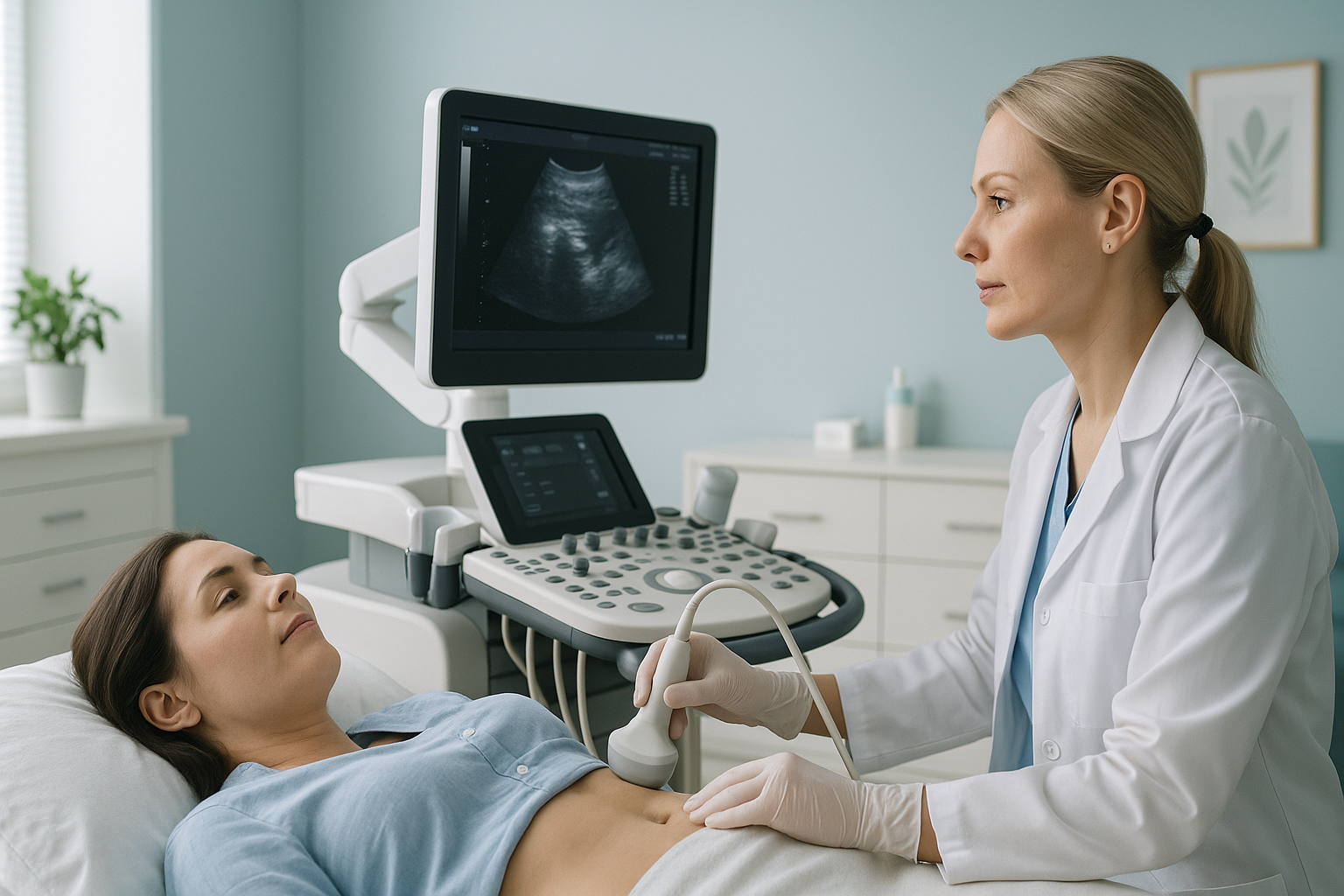
You can have a scan without current symptoms, but in the UK every imaging exposure must be clinically justified. That means there needs to be a valid reason, such as a relevant family history, a sport that loads your joints, or a need for baseline alignment measurements before planned surgery. A scan is never done "just in case" with no clinical indication at all.
Key takeaways
- UK regulations (IRMER) require every scan to have a clinical justification, even for private, self-pay patients.
- "No symptoms" does not automatically mean "no reason." A valid clinical indication can still exist.
- A free video consultation helps determine whether imaging is appropriate for you before any exposure.
- EOS standing imaging uses about 90% less radiation than a standard X-ray, around ten times less.
- If imaging is not the right step, we will tell you honestly.
It is a fair question. You feel fine, but you want to know what is going on inside your body. Perhaps you are an athlete wanting a baseline before a heavy training block, or you have a family history that concerns you. The short answer is that scanning without symptoms is sometimes appropriate, but it is never a blanket offer. Every exposure to ionising radiation must be justified.
What does "justification" mean for a preventative scan?
Justification means that the expected benefit of the scan outweighs the small risk from radiation exposure. In the UK, the Ionising Radiation (Medical Exposure) Regulations, commonly called IRMER, apply to every scan that uses X-rays, including EOS imaging. This is true whether you are referred by the NHS, a private consultant, or you are self-referring.
At ScanAlign, low dose standing imaging, a qualified practitioner reviews every request before a scan goes ahead. If there is no clinical indication, the scan will not be performed. That is not a restriction; it is patient safety.
When is a preventative scan appropriate without symptoms?
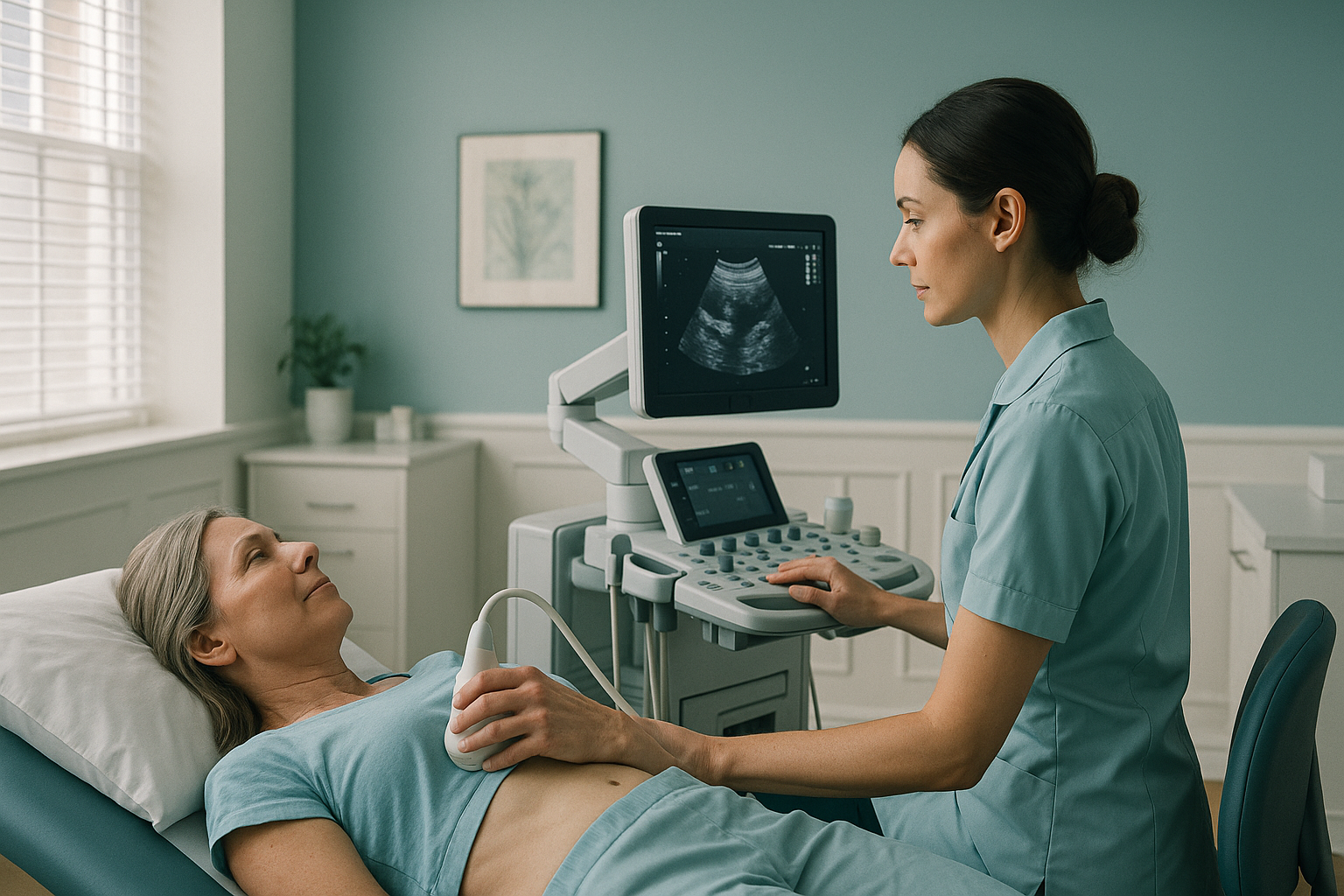
A preventative scan is appropriate when a qualified practitioner agrees that there is a valid clinical indication, even if you feel no pain right now. Several situations can meet that threshold.
Surgeons may want a full standing alignment map before a joint replacement or spinal procedure, even if the joint is not yet painful.
Competitive or high-volume athletes may benefit from a baseline alignment record to guide training and flag asymmetries early. Learn more about sports injury prevention.
A strong family history of structural spinal conditions or early joint degeneration can be a valid reason for a baseline assessment.
If you have a previously diagnosed alignment issue that is currently stable, periodic imaging can track whether it is changing over time.
Notice that each of these scenarios involves a specific clinical reason. "I just want to check everything is fine" on its own is not enough to justify an exposure under IRMER, however small the dose.
What can a standing EOS scan show that lying-down imaging misses?
A standing EOS scan captures your whole skeleton under the natural load of gravity. When you lie down for a conventional X-ray, CT or MRI, your muscles relax, your curves flatten, and subtle alignment problems can disappear. Standing imaging reveals how your body actually works when you are upright.
Your body is a connected chain from your feet to your head. A tilt in the pelvis can make the spine compensate. A difference in leg length can shift load onto one knee. These compensations often mean pain shows up away from its true cause. A whole-body standing image maps the entire chain at once, helping clinicians see the fuller picture.
For more about radiation levels, read about EOS scan safety and radiation. The EOS system uses about 90% less radiation than a standard X-ray, around ten times less.
A note on soft tissue. EOS imaging shows bones, joints and skeletal alignment. For soft tissue, discs, ligaments or nerves, MRI is usually the better tool. If your concern is primarily soft tissue, we will tell you that during your consultation.
Who should consider a baseline alignment scan?
A baseline scan suits some people and is not the right step for others. Here is a straightforward breakdown. You can also check who our scan is suitable for.
- Athletes wanting a pre-season alignment record
- Adults with a known structural condition that needs monitoring
- Patients about to undergo orthopaedic or spinal surgery
- People with a strong family history of skeletal conditions
- General curiosity with no clinical indication at all
- Health anxiety without a specific structural concern
- When the main worry is soft tissue, discs or nerves (MRI is better)
- When you need urgent medical attention for red-flag symptoms
Red-flag symptoms. If you are experiencing sudden severe pain, numbness, weakness, or any loss of bladder or bowel control, please seek urgent medical attention from your GP, NHS 111, or A&E. These are not situations for a screening scan.
How does the process work if you want a scan without symptoms?
The process starts with a conversation, not a scan. We never image first and ask questions later.
You speak with a specialist who listens to your situation, your history and your goals. Together, you decide whether imaging is justified and likely to be useful.
If there is a valid clinical reason, the scan is approved under IRMER. If not, we will explain why and suggest a better next step.
The scan itself takes place at 19 Harley Street, London. You stand naturally while the EOS system captures a whole-body alignment image in seconds, with very low radiation.
A detailed report is prepared, giving you and your clinician a clear baseline or confirming current alignment. ScanAlign is a diagnostic clinic. Any treatment decisions sit with your treating clinician.
Not sure whether a scan is the right step for you? Start with a free, no-obligation video consultation. If imaging is not appropriate, we will tell you.
Book a free video consultationFrequently asked questions
Not on its own. UK regulations require a clinical indication for any scan using ionising radiation. During your free video consultation, a specialist will help determine whether there is a valid reason to scan, even if you currently have no pain.
IRMER stands for the Ionising Radiation (Medical Exposure) Regulations. It is UK law that protects patients by ensuring every exposure to medical radiation has a justified clinical reason. It applies to all imaging, including private self-pay scans.
No. You can self-refer. However, the scan still needs to be clinically justified. The free video consultation replaces the traditional referral letter and ensures your scan is appropriate.
An EOS scan uses about 90% less radiation than a standard X-ray, around ten times less. This very low dose is one reason it is considered when baseline imaging is justified.
Any findings, including incidental ones, are documented in your report. Your report can be shared with your GP or specialist so they can advise on next steps. ScanAlign is a diagnostic clinic and does not provide treatment.
It can be. A standing alignment scan gives athletes and their coaching or medical team a baseline record. This helps identify asymmetries or joint loading patterns that could be addressed before they become an injury.
No. They do different things. EOS shows bones, joints and whole-body alignment under load. MRI shows soft tissue such as discs, ligaments and nerves. If your concern is soft tissue, MRI is usually the better choice.
We will explain why and, where possible, suggest a more suitable next step. There is no charge for the video consultation, and no pressure to proceed.
Pricing is not listed on this page. You can discuss whether a scan is appropriate during a free video consultation, and costs will be explained before you commit to anything.
Any imaging shows only what it is designed to show. An EOS scan confirms skeletal alignment but does not assess soft tissue, blood work, or organ health. Your clinician can put results into the full context of your overall health.
Wondering whether a scan is right for you?
Start with a free video consultation. A specialist will listen to your situation and give you honest advice, with no obligation.
Book a free video consultationSources
- The Ionising Radiation (Medical Exposure) Regulations 2017 (IRMER), UK Statutory Instruments 2017 No. 1322.
- Society and College of Radiographers, "Guidance on the Justification of Medical Exposures," 2020.
- NHS England, "Diagnostic Imaging: Guidance for Requesting Imaging," NHS Clinical Guidelines.
Written by Abbas Dhami (Specialist Diagnostic Radiographer).
This page is general information and not a diagnosis.
ScanAlign is the trading name of CoreMed Solutions Ltd and operates under The Harley Street Hospital's CQC licence.