

Abbas Dhami
Specialist Diagnostic Radiographer
EOS Scan for Scoliosis: Why Standing Imaging Matters
Scoliosis is a condition where the spine curves sideways instead of staying straight. It can affect children, teenagers, and adults. Doctors rely on imaging tests to diagnose scoliosis and monitor how the curve changes over time. Accurate imaging helps specialists understand how severe the curve is and how it affects posture.
Traditional scans sometimes do not show the spine in its natural position. The EOS X-ray for scoliosis solves this problem by capturing images while the patient is standing. This allows doctors to see how the spine behaves under body weight. It also uses low-dose scoliosis imaging, which reduces radiation exposure and makes it safer for repeated monitoring.
Understanding Scoliosis and the Need for Accurate Imaging
What Is Scoliosis?
Scoliosis is a spinal condition where the backbone curves sideways. Instead of forming a straight vertical line, the spine may bend in an “S” or “C” shape.
The condition often appears during childhood or adolescence, but adults can also develop scoliosis due to aging, injuries, or spinal degeneration. Mild scoliosis may cause little discomfort, but more severe cases can lead to posture problems, back pain, and reduced mobility.
Because scoliosis can worsen as the body grows or ages, doctors usually monitor the spine regularly through imaging.
Why Imaging Plays a Critical Role in Scoliosis Diagnosis
Imaging tests are essential for understanding how scoliosis affects the spine and the rest of the body.
Doctors use imaging to:
- Measure the angle of the spinal curve
- Track changes in the spine over time
- Evaluate posture and body balance
- Plan treatments such as braces or surgery
Modern technologies like EOS imaging for scoliosis provide clearer and more complete information about spinal alignment.
What Is an EOS X-Ray for Scoliosis?
Overview of the EOS X-Ray Imaging System for Scoliosis
The EOS X-ray imaging system scoliosis scan is a modern medical imaging technology designed to capture detailed images of the skeleton.
Unlike traditional X-rays, the EOS system uses two scanning beams that capture images from the front and side at the same time. This allows doctors to analyse the spine, pelvis, and legs together.
The result is a clearer view of how the entire body is aligned.
How EOS Imaging for Scoliosis Differs From Traditional X-Rays
Traditional X-rays usually focus on a specific part of the body and may be taken while the patient is lying down.
However, scoliosis affects the body when a person is standing and carrying weight. EOS imaging scoliosis scans are performed while the patient stands naturally.
This allows doctors to study posture, balance, and spinal alignment more accurately.
Why Standing Imaging Matters for Scoliosis
The Importance of Weight-Bearing Scoliosis Imaging
The spine changes its shape depending on body position. When a person stands, gravity affects how the spine supports the body.
This is why weight-bearing scoliosis imaging is important. It allows doctors to see how the spine behaves during normal daily activities.
How Standing Imaging Reveals True Spinal Alignment
Standing scans show how the spine, pelvis, and legs work together to maintain balance.
Standing imaging for scoliosis can reveal alignment issues that may not appear in scans taken while lying down.
How EOS Captures the Body in a Natural Position
During an EOS scan for scoliosis, the patient stands comfortably while the machine scans the body from head to toe.
This helps doctors analyse posture and spinal alignment in the most natural position possible.
Benefits of EOS Imaging for Scoliosis
Low-Dose Scoliosis Imaging With Less Radiation
EOS technology uses significantly less radiation than many traditional imaging systems.
This scoliosis imaging with less radiation is especially important for children and teenagers who may require multiple scans during growth.
Advanced 3D Scoliosis Imaging
EOS scans can create 3D scoliosis imaging, allowing doctors to build a three-dimensional model of the skeleton.
This helps specialists study spinal curves and rotation from different angles.
Full-Body Alignment Analysis
EOS imaging provides a complete view of the body’s alignment, including:
- Spine curvature
- Pelvic position
- Hip alignment
- Leg length differences
This full-body perspective helps doctors understand how scoliosis affects posture and movement.
Benefits of Early Scoliosis Detection and Monitoring
Detecting scoliosis early can make a major difference in treatment outcomes.
Early diagnosis allows doctors to monitor the spine closely and start treatment before the curve becomes severe. In many cases, early monitoring can prevent the need for surgery.
Regular imaging also helps doctors track how the spine changes over time. Technologies like EOS imaging for scoliosis make long-term monitoring safer because they reduce radiation exposure.
Early detection, accurate imaging, and regular monitoring all play a key role in managing scoliosis effectively.
EOS Scan for Scoliosis: What the Scan Can Reveal
- Spinal Curvature and Alignment: EOS imaging can measure the exact angle and location of spinal curves.
- Postural Imbalances: The scan can reveal uneven shoulders, tilted hips, or other posture changes.
- Hip and Pelvic Rotation: EOS scans can identify changes in pelvic alignment that affect posture.
- Leg Length Differences: The scan can detect leg length differences that may contribute to spinal imbalance.
EOS Scan Procedure: What Patients Can Expect
- Preparing for an EOS Scan: Preparation is simple. Patients may need to remove metal items such as belts or jewellery before the scan.
- What Happens During the Scan: The patient stands inside the EOS scanner while the machine moves slowly to capture images.
- How Long the Scan Takes: The scan typically takes only a few minutes.
- Receiving and Interpreting Results: Doctors review the images and may create a 3D model of the skeleton for detailed analysis.
EOS Imaging vs Traditional Imaging Methods
| Imaging Method | Body Position | Radiation Level | Image Type | Best Use for Scoliosis |
|---|---|---|---|---|
| EOS Scan | Standing | Very Low | 2D + 3D full-body images | Full-body alignment analysis |
| Standard X-ray | Standing or lying | Moderate | 2D bone images | Basic curve detection |
| CT Scan | Lying down | High | Detailed cross-section images | Complex bone analysis |
| MRI | Lying down | No radiation | Soft tissue imaging | Nerves and spinal discs |
Who Should Consider an EOS Scan for Scoliosis?
An EOS X-ray for scoliosis may be recommended for several types of patients.
- Children and teenagers diagnosed with scoliosis who need regular monitoring
- Adults with posture problems, chronic back pain, or suspected spinal misalignment
- Patients preparing for spine surgery who need detailed imaging for treatment planning
- Patients who need repeated scans but want lower radiation exposure
Because EOS scans use low radiation and provide full-body standing images, they can offer valuable information for both diagnosis and treatment decisions.
Why EOS Is Becoming the Preferred Imaging for Scoliosis
EOS technology is becoming a preferred choice in spine care because it provides a clearer and more complete view of body alignment. Since the scan is performed while the patient is standing, doctors can see how the spine behaves under natural body weight.
Another major advantage is its low radiation exposure combined with high-quality images. EOS can also create 3D skeletal models, allowing doctors to analyse spinal curves, rotation, and overall posture more accurately for better scoliosis diagnosis and treatment planning.
Why This Imaging Option Matters
Conclusion
Scoliosis requires accurate diagnosis and regular monitoring to prevent the condition from worsening. Imaging plays a key role in helping doctors understand spinal curves and body alignment.
The EOS X-ray for scoliosis provides a modern solution by capturing full-body images while the patient stands naturally. With its low radiation exposure, 3D imaging capability, and detailed alignment analysis, EOS technology helps doctors evaluate scoliosis more effectively and plan better treatments.
Speak with a specialistFAQs
- What is an EOS scan for scoliosis? An EOS scan is an advanced imaging test that captures full-body skeletal images while the patient stands. It helps doctors clearly see spinal alignment and posture.
- How much radiation does an EOS X-ray use? EOS scans use significantly lower radiation than traditional X-rays, which makes them safer for patients who need repeated imaging.
- Is EOS imaging safe for children? Yes, EOS imaging is often considered suitable for children because it uses a low radiation dose and is commonly used to monitor scoliosis during growth.
- How long does an EOS scan take? An EOS scan usually takes only a few minutes to complete. The process is quick, simple, and painless for patients.
- Can EOS scans detect early scoliosis? Yes, EOS imaging can detect spinal curves and alignment issues early, which helps doctors diagnose scoliosis and begin monitoring sooner.
Medical Disclaimer: This content is for general informational purposes only and does not constitute medical advice, diagnosis, or treatment. Always consult a qualified doctor or healthcare professional for personalised medical guidance based on your symptoms and condition.
Continue reading
More articles
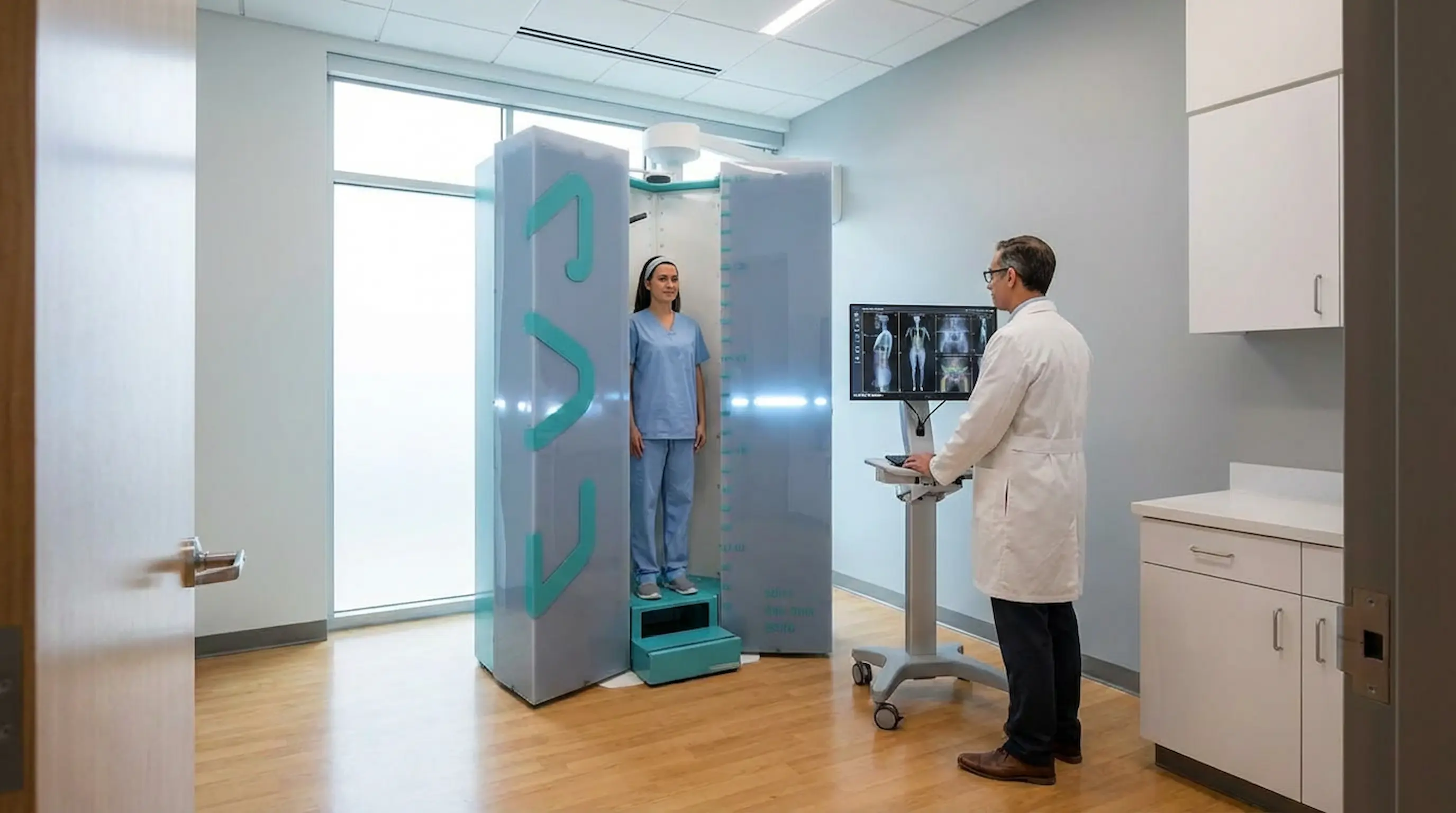
Is EOS Scan Safe? Radiation Levels, Risks, and FAQs
Discover if EOS imaging is safe, its radiation levels, risks, and benefits. Learn why it’s preferred for accurate, low-dose skeletal scans.
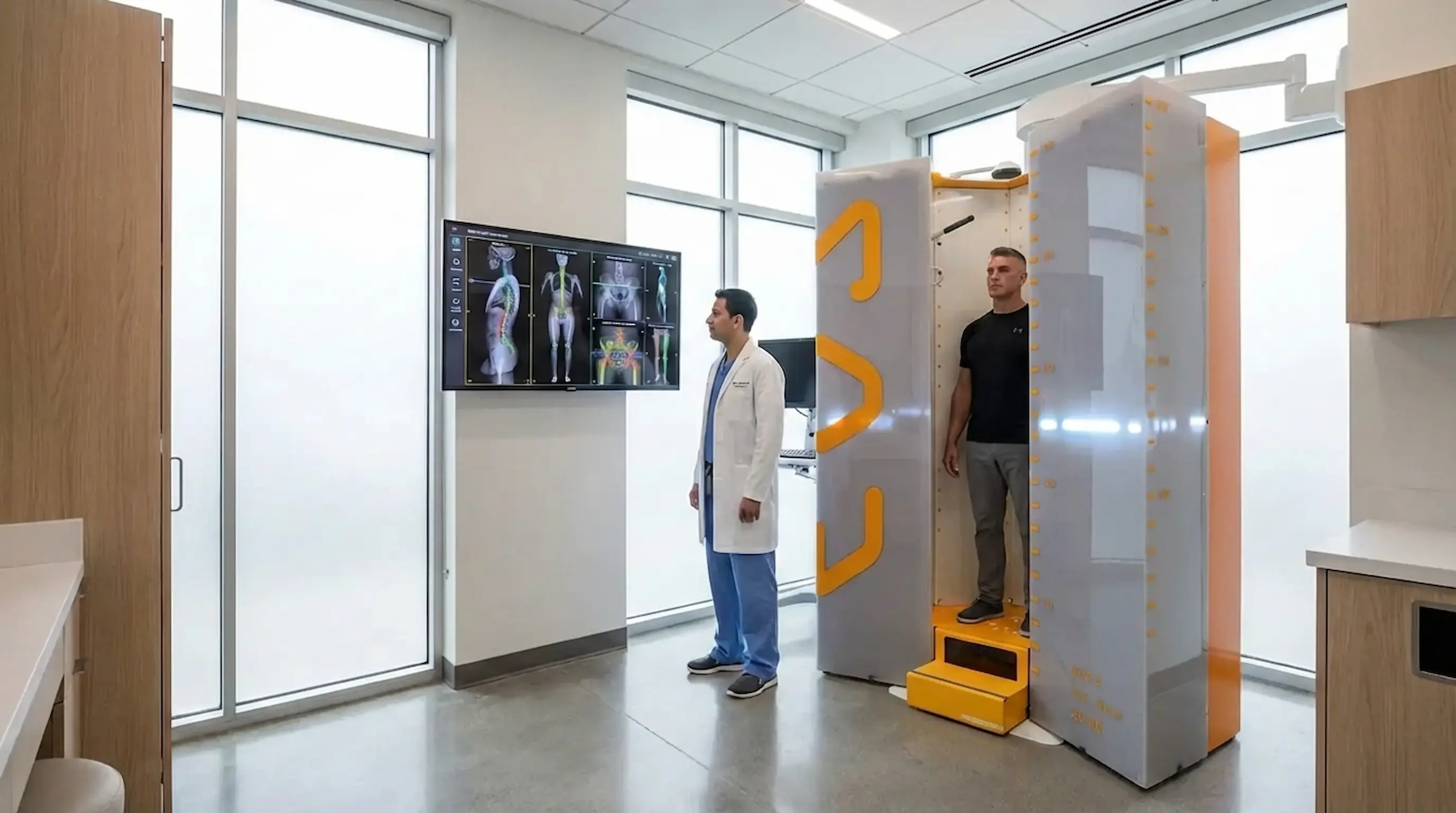
Hip Pain & Alignment: EOS Imaging for Better Diagnosis
EOS imaging for hip pain reveals pelvic tilt, leg length discrepancy & spinopelvic alignment that routine scans miss. Book Appointment now.
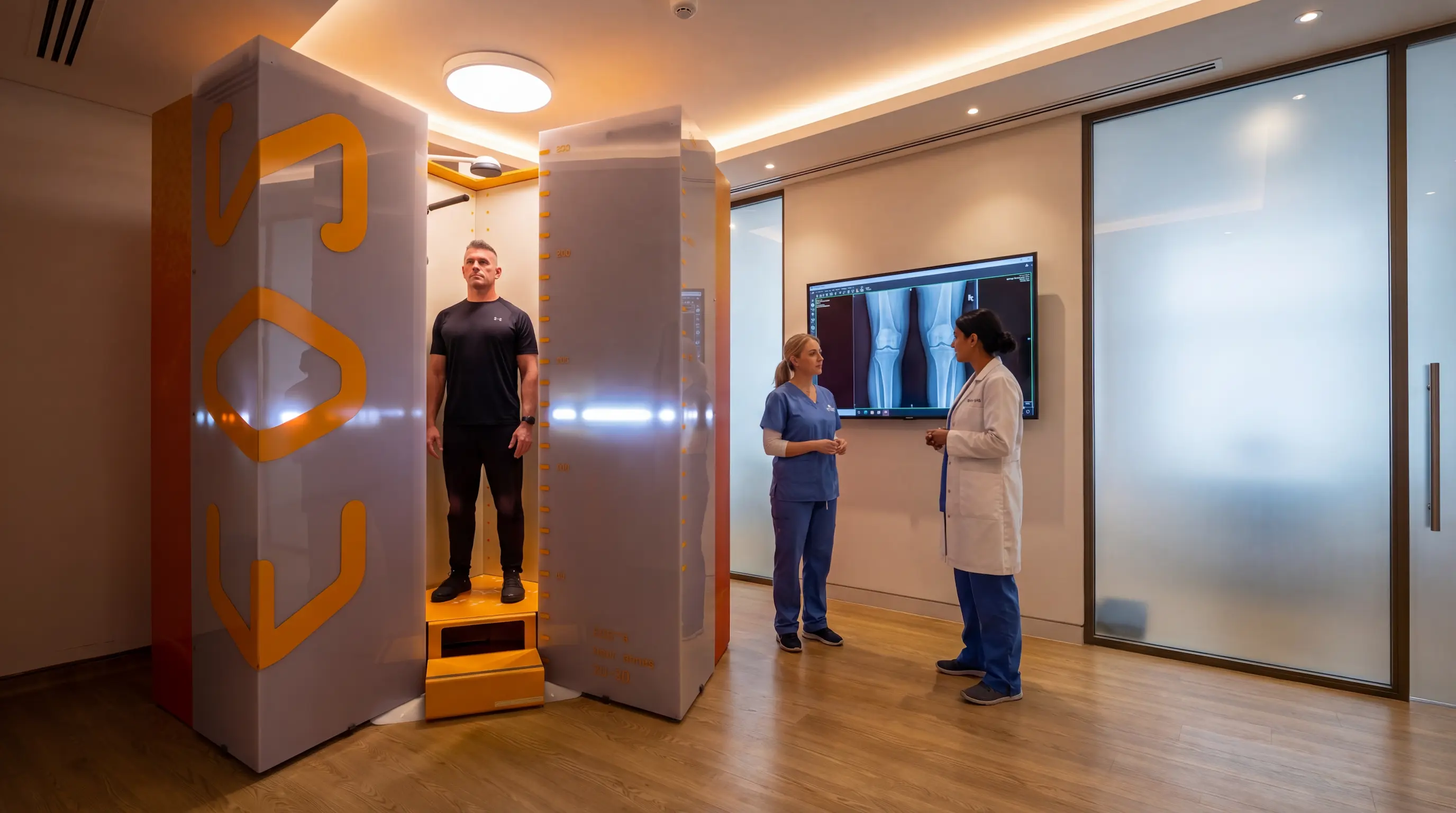
Knee Alignment & Osteoarthritis: How EOS Helps Treatment Planning
Struggling with knee pain or osteoarthritis? Discover how EOS imaging reveals knee alignment problems & supports treatment planning.