
IT Band Syndrome: What Are the Best Treatments and Therapies?
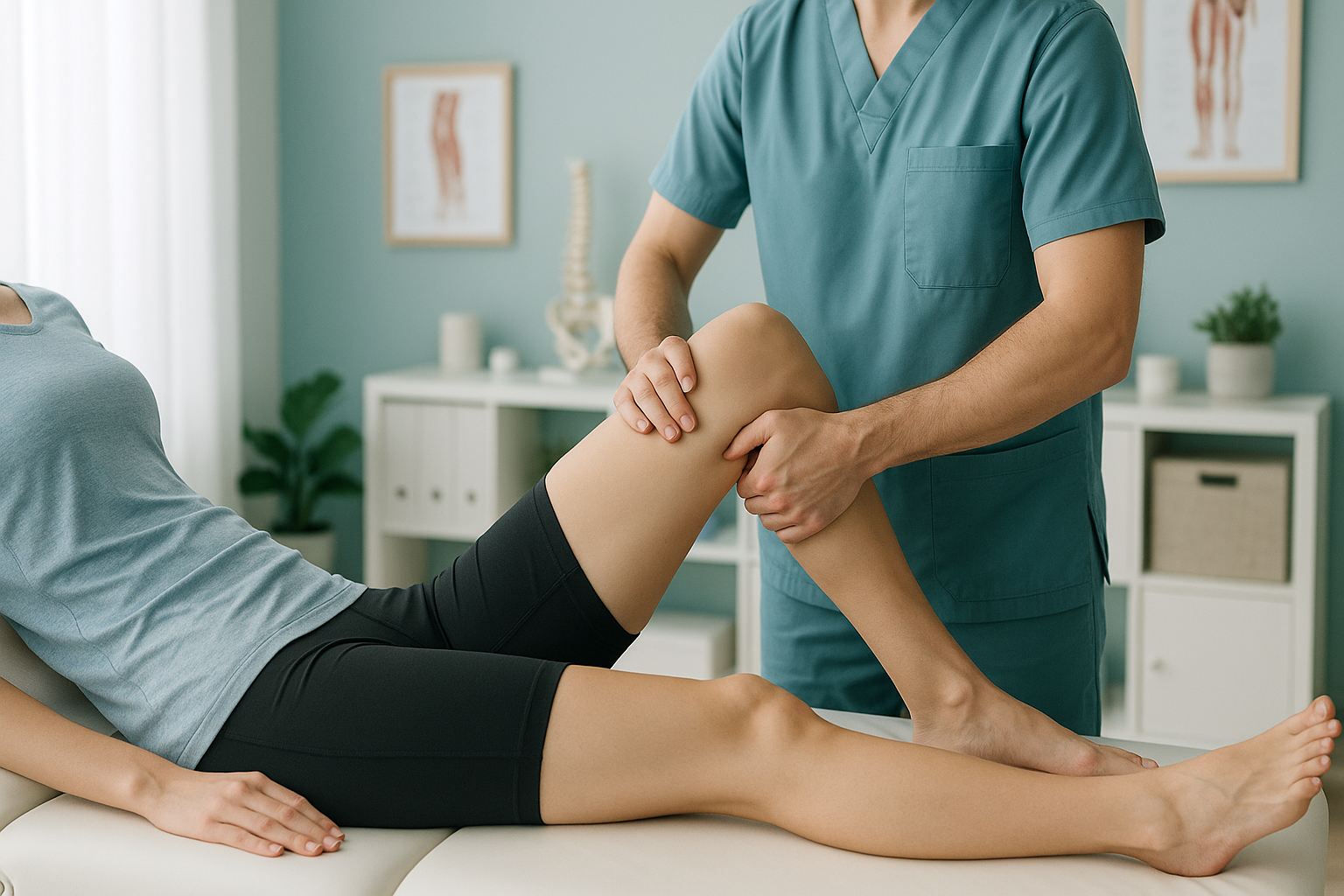
Iliotibial band syndrome treatments usually start with rest, targeted stretches, and physiotherapy to reduce irritation on the outer knee or hip. Foam rolling and strengthening exercises for the hip and glute muscles help many people. When pain persists, the cause may be a wider alignment issue that standard imaging misses because it is taken lying down.
Key takeaways
- Most IT band pain responds well to stretching, strengthening, and physiotherapy.
- Foam rolling can ease tightness, but it is not a long-term fix on its own.
- Pain that keeps returning may be driven by hip, pelvis, or leg alignment problems.
- Standing, weight-bearing imaging shows alignment issues that lying-down scans can hide.
- ScanAlign is a diagnostic imaging clinic, not a treatment provider. We give you the picture so your clinician can plan the right approach.
What is IT band syndrome?
IT band syndrome is a repetitive-strain condition where the iliotibial band, a thick strip of connective tissue running from the outer hip to just below the outer knee, becomes irritated where it crosses the bony bump of the knee or hip joint. It is one of the most common causes of outer knee pain, particularly in runners, cyclists, and people who spend a lot of time on their feet.
The band itself is not a muscle. It is tough, fibrous tissue that does not stretch much. When your hip, pelvis, or leg alignment is slightly off, the band can track poorly, creating friction with every step. That is why treating the symptoms alone sometimes is not enough.
How do you know if your IT band is the problem?
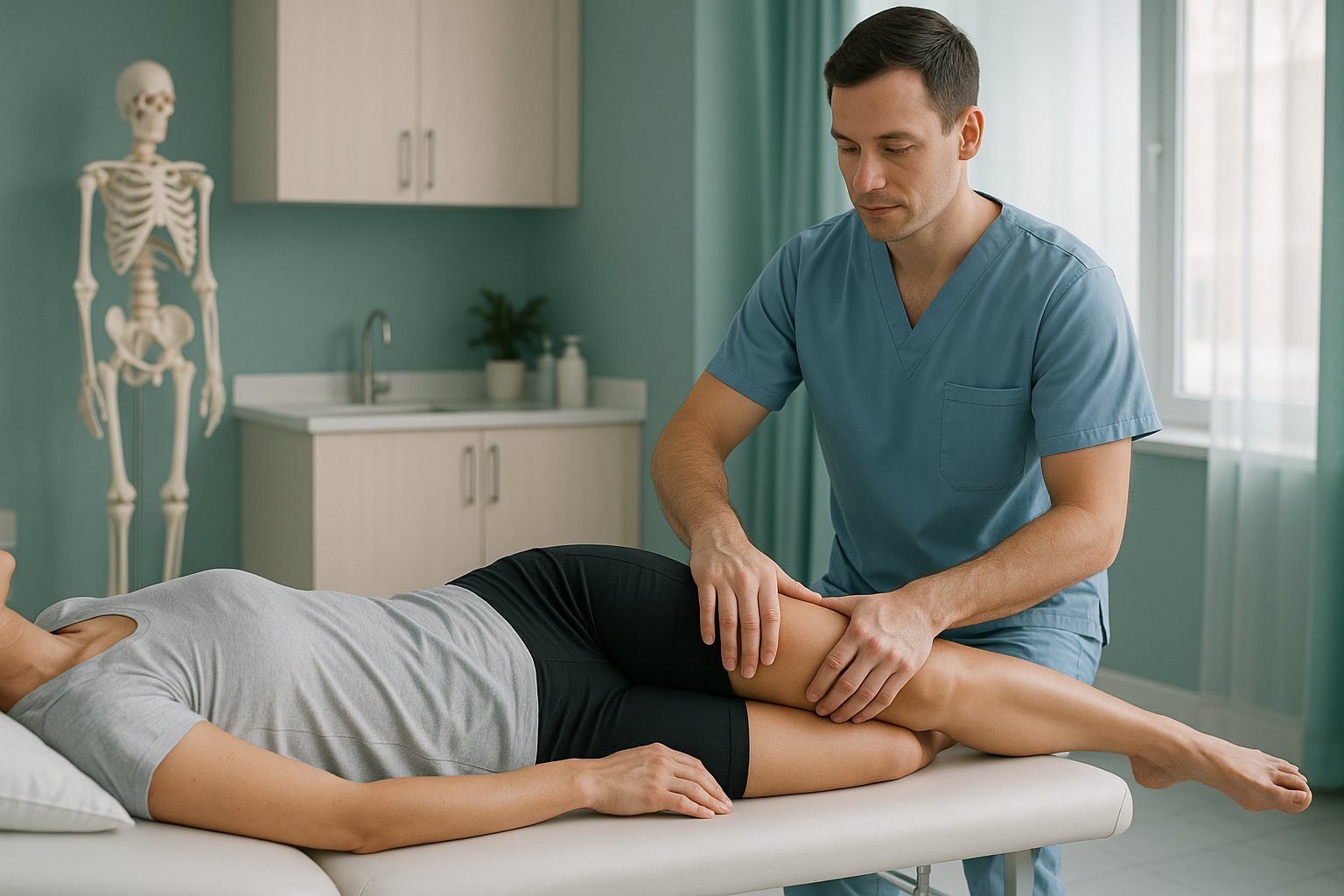
IT band syndrome usually produces a distinctive pattern of symptoms. The pain tends to build gradually rather than arriving all at once.
A stabbing or burning feeling on the outside of the knee, often during or just after activity.
The friction point is loaded more when the knee bends slightly, making descents particularly sore.
A pulling sensation from the hip down to the knee that feels worse after sitting for a long time.
Some people feel a snapping sensation as the band moves over the bone during repeated bending.
What causes IT band syndrome to keep coming back?
Overuse is the trigger most people hear about, but the deeper question is why the band is being overloaded in the first place. In many cases, a subtle alignment issue in the hip, pelvis, or lower limb changes the angle at which the band tracks over the knee. Your body is a connected chain from feet to head. A tilt at the pelvis or a slight rotation in the hip can shift loading patterns all the way down the leg, creating friction at the IT band that no amount of stretching will permanently fix.
The pelvis drops on one side during walking, increasing tension on the band.
Even a small imbalance changes the angle of pull through the thigh.
Knock knees, flat feet, or overpronation can all increase IT band strain.
What are the most effective iliotibial band syndrome treatments?
Most people improve with a combination of home-based therapies and professional guidance. The right approach depends on what is driving your symptoms.
Stretches and exercises for the IT band
Targeted stretching of the outer hip, glutes, and quads helps reduce tension along the band. Strengthening exercises for the hip abductors and gluteal muscles are equally important, because a stronger hip stabilises the pelvis and takes pressure off the band. Single-leg bridges, clamshells, and side-lying leg raises are commonly recommended by physiotherapists.
Does foam rolling help IT band syndrome?
Foam rolling can offer temporary relief by loosening the muscles around the IT band, particularly the quads and glutes. However, rolling directly on the band itself can sometimes increase irritation. Many therapists now recommend rolling the muscles that attach to the band rather than the band itself. Foam rolling alone is unlikely to resolve the underlying cause if there is an alignment problem driving the friction.
Physiotherapy for IT band syndrome
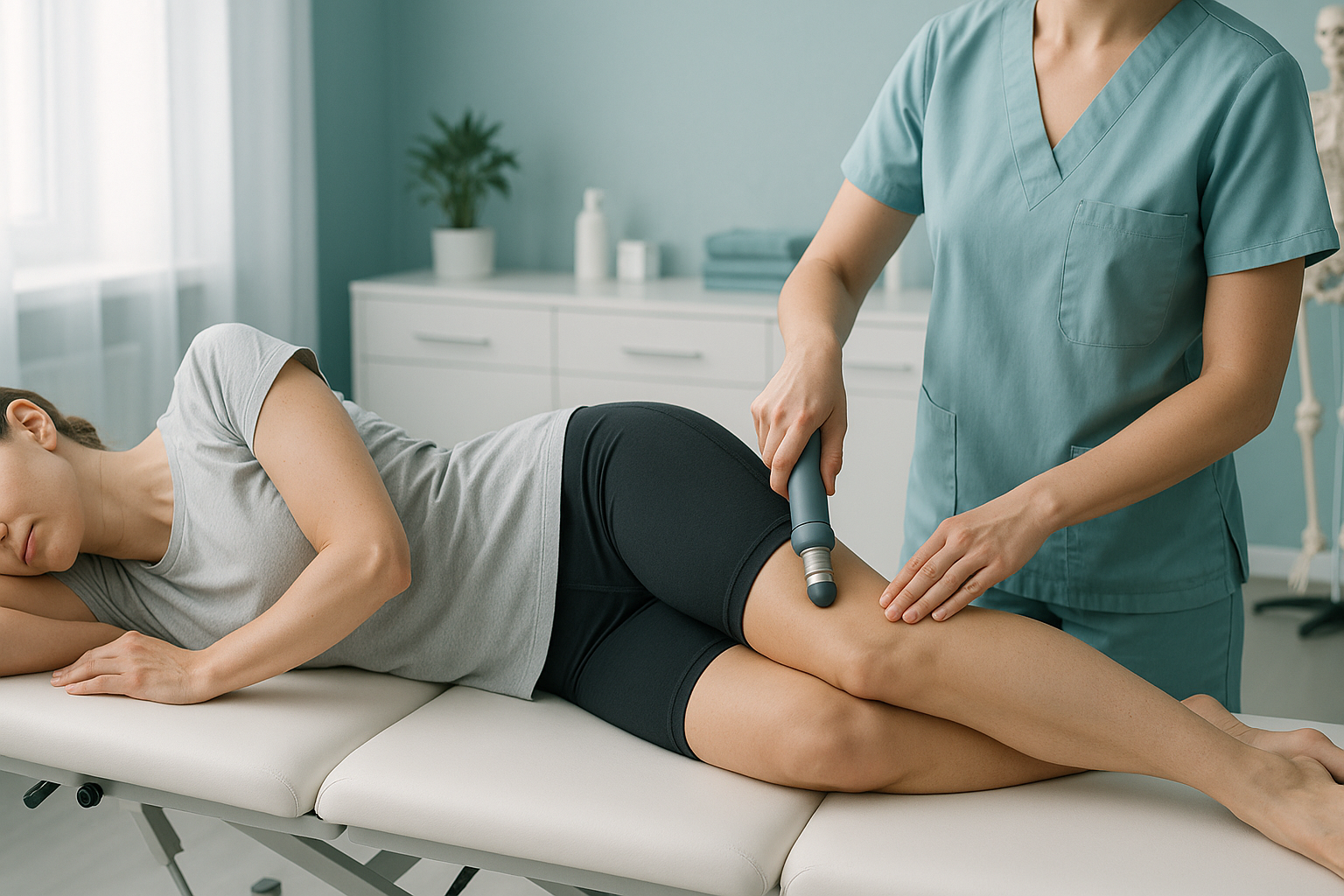
A physiotherapist can assess your movement patterns, identify muscle weaknesses, and build a structured rehabilitation programme. Techniques may include manual therapy, gait retraining, and progressive strengthening. Physiotherapy is most effective when the therapist has a clear picture of your alignment, so they can target the root cause rather than just the symptoms.
Injections and other options
If the pain is severe and not responding to conservative treatment, a clinician may consider a corticosteroid injection to reduce local inflammation. Injections can help in the short term, but they do not change the mechanics that caused the problem. Shockwave therapy is another option some clinics offer. In rare cases where all other approaches have failed, surgery may be discussed, though this is uncommon.
Treatments work best with a clear diagnosis. If your IT band pain keeps returning, understanding the alignment of your whole lower limb can help your clinician choose the right approach.
Book a free video consultationHow does standing imaging help with IT band syndrome?
Standing, weight-bearing imaging shows your bones and joints in the position they actually work in, under the load of gravity. A standard X-ray or MRI taken lying down lets the muscles relax and can mask the alignment problems that only appear when you are upright. For the IT band, this matters because even a small shift in pelvic tilt, hip rotation, or knee angle can change how the band tracks, and you will only see that shift when the body is standing and loaded.
EOS imaging captures a full standing image of both legs, hips, pelvis, and spine in a single scan, using about 90% less radiation than a standard X-ray, around ten times less. This gives your consultant, physiotherapist, or surgeon a complete map of your alignment so they can plan treatment that addresses the cause rather than chasing symptoms around the body.
When is MRI the better choice? EOS shows bones, joints, and alignment beautifully. For soft tissue detail, such as inflammation within the band itself, bursitis, or meniscal tears, MRI is usually the better tool. Your clinician may recommend both for a complete picture.
Frequently asked questions about IT band syndrome treatments
Mild cases can settle with rest and activity modification. However, if an underlying alignment or strength issue is driving the friction, the pain often returns when you increase activity again.
Cross-body standing stretches, pigeon pose variations, and seated figure-four stretches target the outer hip and glutes. A physiotherapist can tailor a programme to your specific tightness and weakness pattern.
Rolling the muscles around the band, such as the quads and glutes, can ease tension. Rolling directly on the band over an inflamed area may make things worse. Use it as one part of a broader approach, not as the only treatment.
Recovery varies widely. Some people feel better within a few weeks of targeted exercises. Others with persistent biomechanical issues may take several months, especially if the root cause has not been identified.
No. ScanAlign is a private, self-pay clinic. You can book directly without a GP or consultant referral. You start with a free video consultation to check whether an EOS scan is appropriate for you.
Yes. EOS uses about 90% less radiation than a standard X-ray, around ten times less. You can find more detail on the safety and FAQs page.
Pricing details are on the ScanAlign FAQs page.
Absolutely. A pelvic tilt or a small difference in leg length can overload the band on one side only. That is why whole-body standing imaging is so useful, it shows both sides together for direct comparison.
An injection can reduce inflammation and ease pain in the short term. It does not change the mechanical cause. Many clinicians use injections to create a window of comfort so that rehabilitation exercises can progress more effectively.
You speak with a specialist diagnostic radiographer who reviews your symptoms and history. They will explain whether EOS imaging is likely to be helpful for you and answer any questions. There is no obligation to proceed.
Still dealing with IT band pain?
If your IT band syndrome keeps returning despite treatment, the missing piece may be a clear picture of how your whole lower body is aligned. Start with a free video consultation to find out whether standing imaging could help.
Book a free video consultationLearn more about how EOS imaging works and what it can show on the ScanAlign homepage, or read about knee alignment imaging.
Written by Abbas Dhami (Specialist Diagnostic Radiographer)
Sources
- Fredericson, M. & Wolf, C. (2005). Iliotibial Band Syndrome in Runners: Innovations in Treatment. Sports Medicine, 35(5), 451-459.
- Baker, R.L. & Fredericson, M. (2016). Iliotibial Band Syndrome in Runners: Biomechanical Implications and Exercise Interventions. Physical Medicine and Rehabilitation Clinics of North America, 27(1), 53-77.
- NHS. Knee pain, IT band syndrome. nhs.uk. Available at: https://www.nhs.uk/conditions/knee-pain/
This page is general information and not a diagnosis.
ScanAlign is the trading name of CoreMed Solutions Ltd and operates under The Harley Street Hospital's CQC licence.