
Osteomalacia: What Causes Soft Bones in Adults and How Is It Treated?
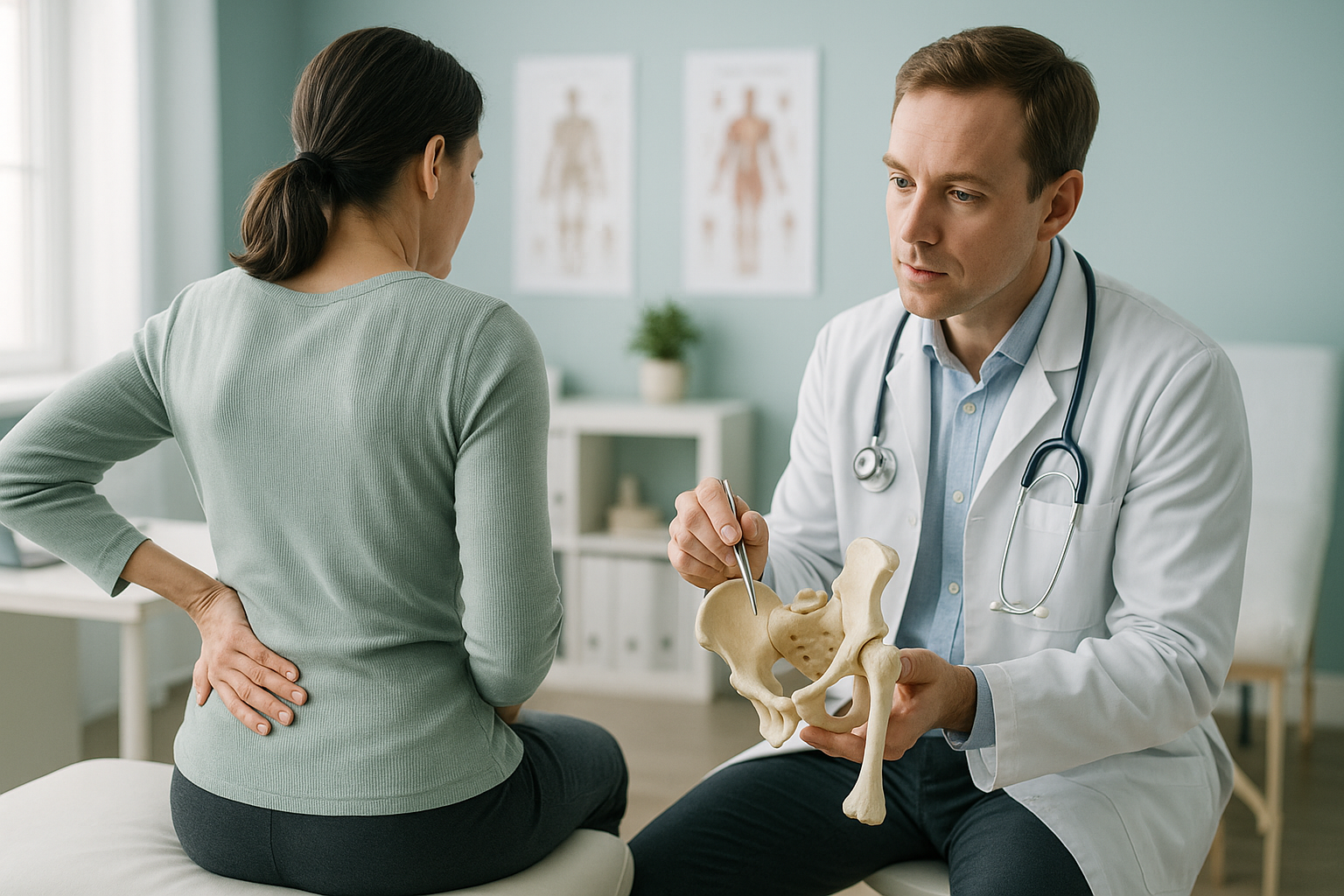
Osteomalacia is a condition where bones become soft because they lack enough minerals, usually due to a vitamin D deficiency. The main osteomalacia treatment is correcting that deficiency with supplements, diet changes and sometimes treating an underlying cause. Imaging helps assess how far bone softening has affected your skeleton and posture.
Key takeaways
- Osteomalacia means your bones are not mineralising properly, making them weak and painful.
- The most common cause in adults is not getting enough vitamin D.
- It is different from osteoporosis, though both affect bone strength.
- Treatment usually centres on vitamin D and calcium supplementation, guided by your doctor.
- Standing whole-body imaging can reveal alignment changes and stress areas that lying-down scans may miss.
What is osteomalacia in adults?
Osteomalacia is a bone disorder where newly formed bone tissue fails to mineralise, leaving it softer than normal. Healthy bones rely on a steady supply of calcium and phosphate, which are deposited into a protein framework to create hard, strong bone. When vitamin D levels are too low, or when another condition disrupts mineral absorption, this process stalls. The bone structure is still there, but it stays rubbery rather than rigid.
In children, the same problem is called rickets. In adults it is called osteomalacia. Because the condition develops slowly, many people put up with vague aches for months or years before getting a diagnosis.
What are the symptoms of osteomalacia?
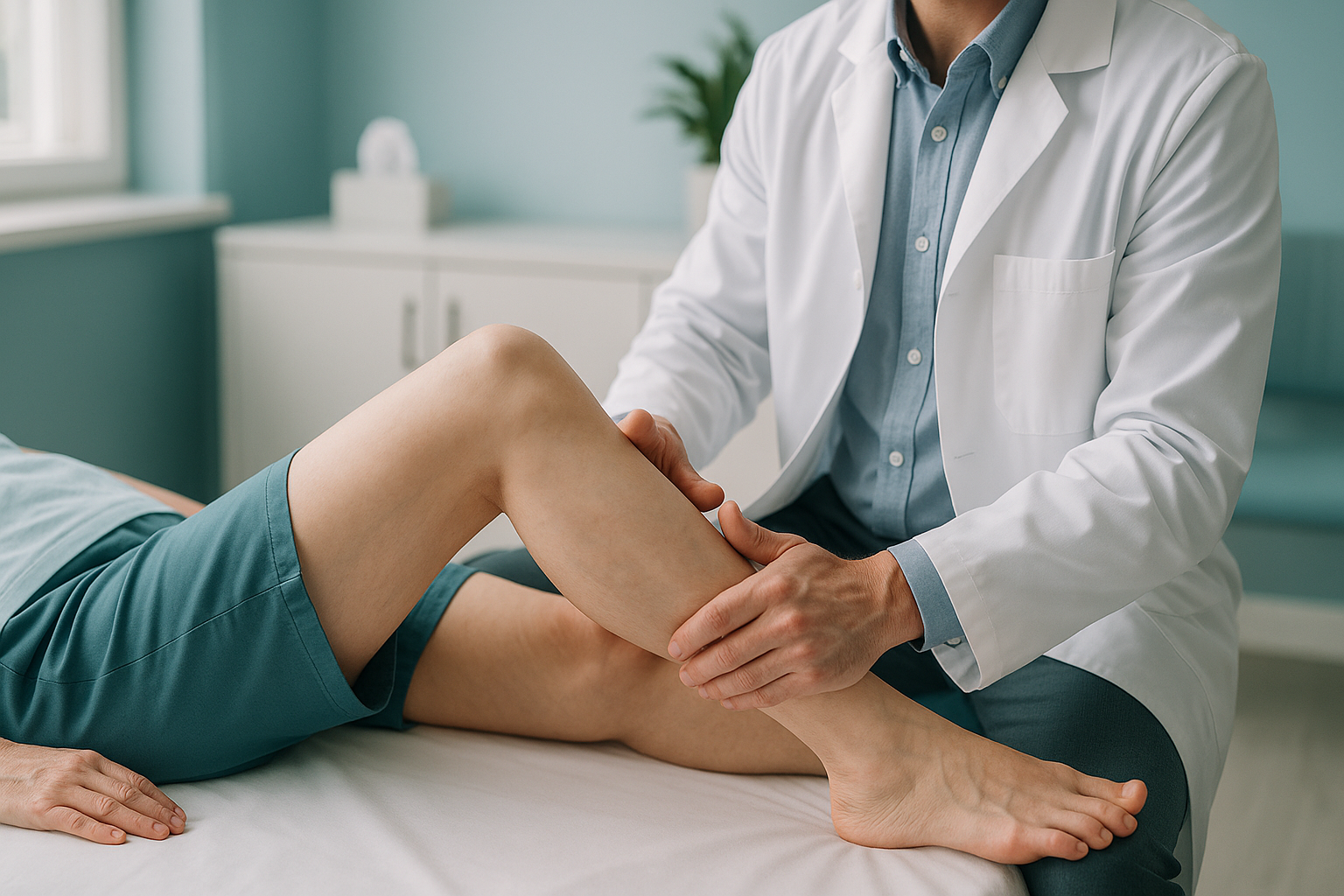
The most common osteomalacia symptoms are a deep, aching bone pain and muscle weakness, especially in the hips, pelvis, lower back and legs. Pain tends to be worse when you put weight through the affected bones, so standing and walking often feel harder than they should.
A dull, persistent ache in the hips, pelvis, lower back or legs that worsens with activity.
Difficulty climbing stairs, standing from a chair or walking longer distances.
A side-to-side walking pattern caused by weak hip and thigh muscles.
Because these symptoms overlap with many other conditions, osteomalacia is sometimes mistaken for fibromyalgia, arthritis or general fatigue. If bone pain has persisted for weeks without a clear explanation, it is worth asking your GP about a vitamin D blood test.
What causes osteomalacia?
The most common cause of osteomalacia is a vitamin D deficiency. Your body needs vitamin D to absorb calcium from food. Without it, calcium cannot reach the bones in sufficient amounts, and mineralisation stalls. Several factors can lead to low vitamin D or poor mineral absorption.
Skin produces vitamin D from sunlight. Indoor lifestyles, covering clothing or living at northern latitudes all reduce production.
A diet low in vitamin D and calcium, particularly without oily fish, eggs or fortified foods.
Conditions such as coeliac disease or Crohn's disease can prevent the gut from absorbing vitamin D or calcium properly.
These organs convert vitamin D into its active form. If they are not working well, the active form may be too low.
Certain medications, including some anti-seizure drugs, can also interfere with vitamin D metabolism. Your doctor will want to identify the underlying cause before starting osteomalacia treatment, so that the right approach is used.
How is osteomalacia different from osteoporosis?
Although both conditions weaken bones, they do so in different ways. Osteomalacia is a mineralisation problem: there is enough bone structure, but it is not hardened properly. Osteoporosis is a density problem: the overall amount of bone tissue decreases, making bones thin and brittle.
What happens: New bone fails to mineralise. The bone framework is present but stays soft.
Main cause: Vitamin D deficiency or mineral absorption problems.
Typical symptom: Deep, aching bone pain, muscle weakness.
Reversible? Often yes, once the deficiency is corrected.
What happens: Bone tissue is lost faster than it is replaced, reducing bone density.
Main cause: Ageing, hormonal changes (especially after menopause), genetics.
Typical symptom: Often silent until a fracture occurs.
Reversible? Bone density can be improved but usually not fully restored.
It is possible to have both conditions at the same time. If you have unexplained bone pain and risk factors for either, proper assessment matters.
How is osteomalacia diagnosed?
Osteomalacia diagnosis usually starts with a blood test. Your doctor will check levels of vitamin D, calcium, phosphate and alkaline phosphatase (an enzyme that rises when bones are not mineralising properly). X-rays can show characteristic changes such as thinning of the bone cortex or small stress fractures called Looser zones. In some cases a bone biopsy is used, though this is uncommon.
Standard X-rays are taken lying down, which means they only capture one area at a time and do not show how softened bones cope with your body weight. This is where standing, whole-body imaging adds real value.
Why does standing imaging matter for osteomalacia?
When you lie down for a conventional X-ray or MRI, gravity is removed from the equation. Your muscles relax, your joints decompress, and any bowing or alignment shift caused by softened bone is partially hidden. Standing whole-body EOS imaging captures your skeleton under real weight-bearing conditions, from your ankles to your skull, in a single scan.
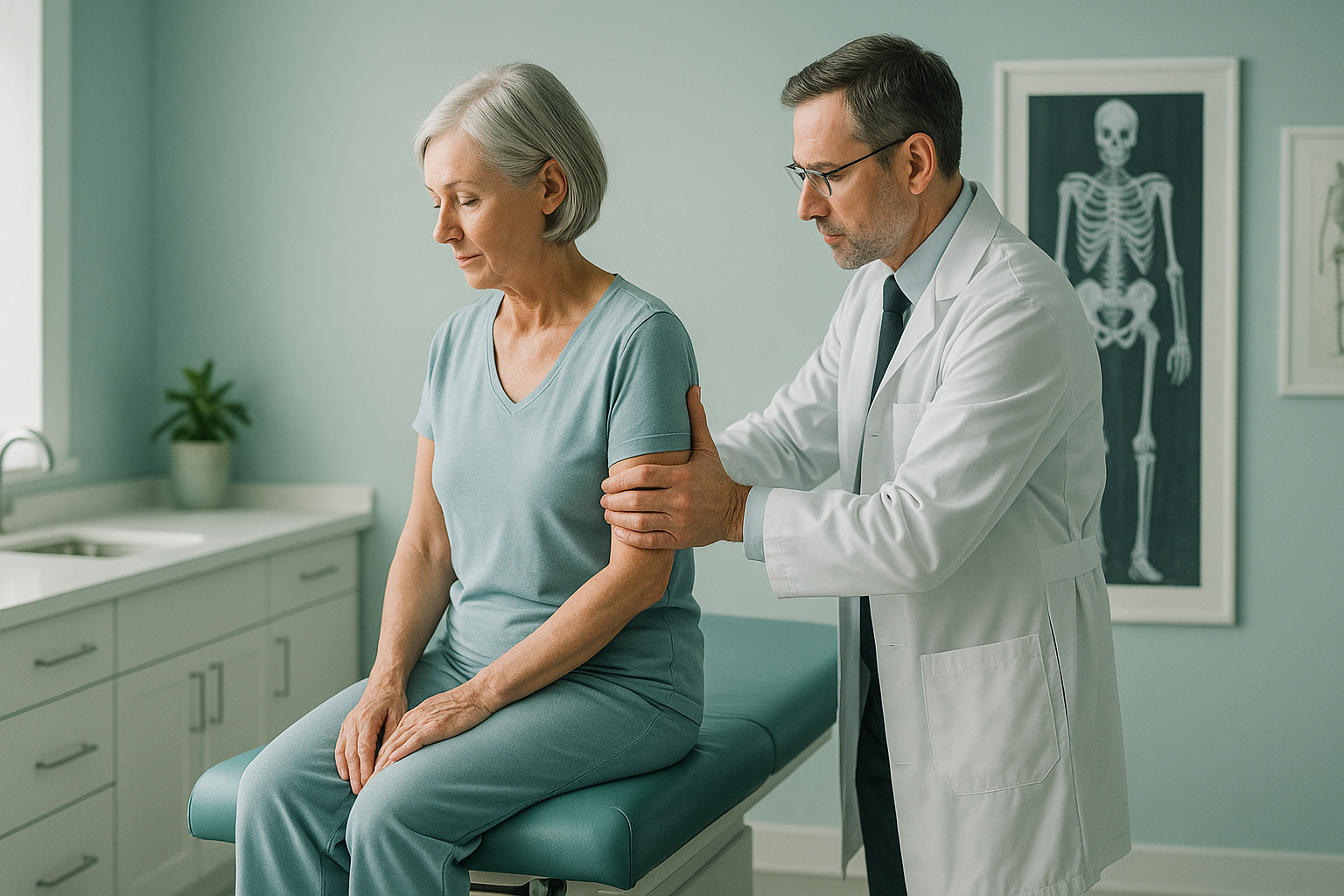
Your body is a connected chain. When one bone softens or bows under load, the joints above and below compensate. Pain may appear in your knees, hips or lower back rather than at the weakened bone itself. A whole-body standing scan maps this entire chain so your clinician can see the full picture.
EOS technology uses about 90% less radiation than a standard X-ray, around ten times less. That makes it a practical option when a full-length view of your skeleton is needed.
Want to understand how your bones and alignment look under real standing conditions?
Book a free video consultationWhen is MRI more useful? EOS imaging shows bones, joints and alignment brilliantly. For soft-tissue detail, such as muscles, tendons or nerves, MRI is usually the better tool. If your doctor suspects a soft-tissue cause alongside osteomalacia, they may recommend MRI as well.
What does osteomalacia treatment involve?
Osteomalacia treatment focuses on correcting the underlying deficiency so that your bones can begin mineralising again. In most cases, this means vitamin D and calcium supplements prescribed by your GP or specialist. The specific dose and duration depend on how severe the deficiency is and what caused it.
- Vitamin D supplements are the cornerstone of treatment. Your doctor will choose the right form and dose based on blood test results.
- Dietary changes may be recommended, such as eating more oily fish, eggs, fortified cereals and dairy products.
- Treating the underlying cause is important. If gut malabsorption or a kidney condition is involved, addressing that condition helps vitamin D levels recover.
- Monitoring with follow-up blood tests ensures levels are improving and bones are responding.
ScanAlign is a diagnostic imaging clinic, not a treatment provider. We mention treatments here to give you a clear picture of the condition, but any treatment decisions should be made with your GP or specialist. What we can do is provide the detailed standing alignment images that help your clinician plan the right care.
Important: if you experience sudden severe bone pain, an inability to bear weight, or notice a new deformity, please seek urgent medical attention through your GP, 111 or A&E rather than booking a scan.
Frequently asked questions about osteomalacia
No. Osteomalacia means bone is not mineralising properly, leaving it soft. Osteoporosis means overall bone density is reduced, making bones thin and brittle. Both weaken bones, but they have different causes and different treatments.
In many cases, yes. When the vitamin D deficiency is corrected and any underlying cause is treated, bones can begin to mineralise normally again. The speed of improvement depends on how severe the deficiency was and how long it lasted.
Most people describe a deep, dull ache in the bones, particularly around the hips, pelvis, lower back and thighs. The pain tends to be worse when you stand, walk or put weight through the affected area. It often builds gradually over weeks or months.
Vitamin D helps your body absorb calcium from food. Without enough vitamin D, calcium cannot reach your bones in the amounts needed for proper mineralisation. The result is softer bone tissue, which aches under normal daily loads.
No. ScanAlign is a private, self-pay clinic. You can refer yourself. If you would like to discuss whether a standing alignment scan is right for you, you can start with a free video consultation.
Yes. EOS uses about 90% less radiation than a standard X-ray, around ten times less. This lower dose makes it a practical choice when full-body or repeat imaging is needed. You can read more on the FAQs and safety page.
Pricing details are available on the ScanAlign FAQs page. A free video consultation can help you understand which scan package is right for your situation.
Yes. Softened bone is more vulnerable to stress fractures and can fracture from relatively minor impacts. This is one reason early diagnosis matters, so treatment can start before fractures occur.
When you lie down, gravity no longer acts on your skeleton. Muscles relax, joints decompress, and any bowing or tilt caused by softened bone can partially straighten out. Standing imaging captures what your body actually does under your own weight, giving a more accurate picture of alignment.
Your images are reviewed by a specialist reporting team. You receive a detailed report that you can share with your GP, consultant or physiotherapist to guide your next steps. ScanAlign provides the diagnostic imaging, not the treatment itself.
See how your bones and alignment look under real standing conditions
A free video consultation with our team can help you decide whether a standing whole-body scan is the right next step.
Book a free video consultationRelated pages
Sources
- NHS. "Vitamin D." nhs.uk. Overview of vitamin D deficiency, causes and treatment guidance.
- Bhan A, Rao AD, Rao DS. "Osteomalacia as a result of vitamin D deficiency." Endocrinology and Metabolism Clinics of North America, 2010;39(2):321-331.
- National Institute for Health and Care Excellence (NICE). "Vitamin D deficiency in adults: treatment and prevention." Clinical Knowledge Summary.
Written by Abbas Dhami (Specialist Diagnostic Radiographer)
This page is general information and not a diagnosis.
ScanAlign is the trading name of CoreMed Solutions Ltd and operates under The Harley Street Hospital's CQC licence.